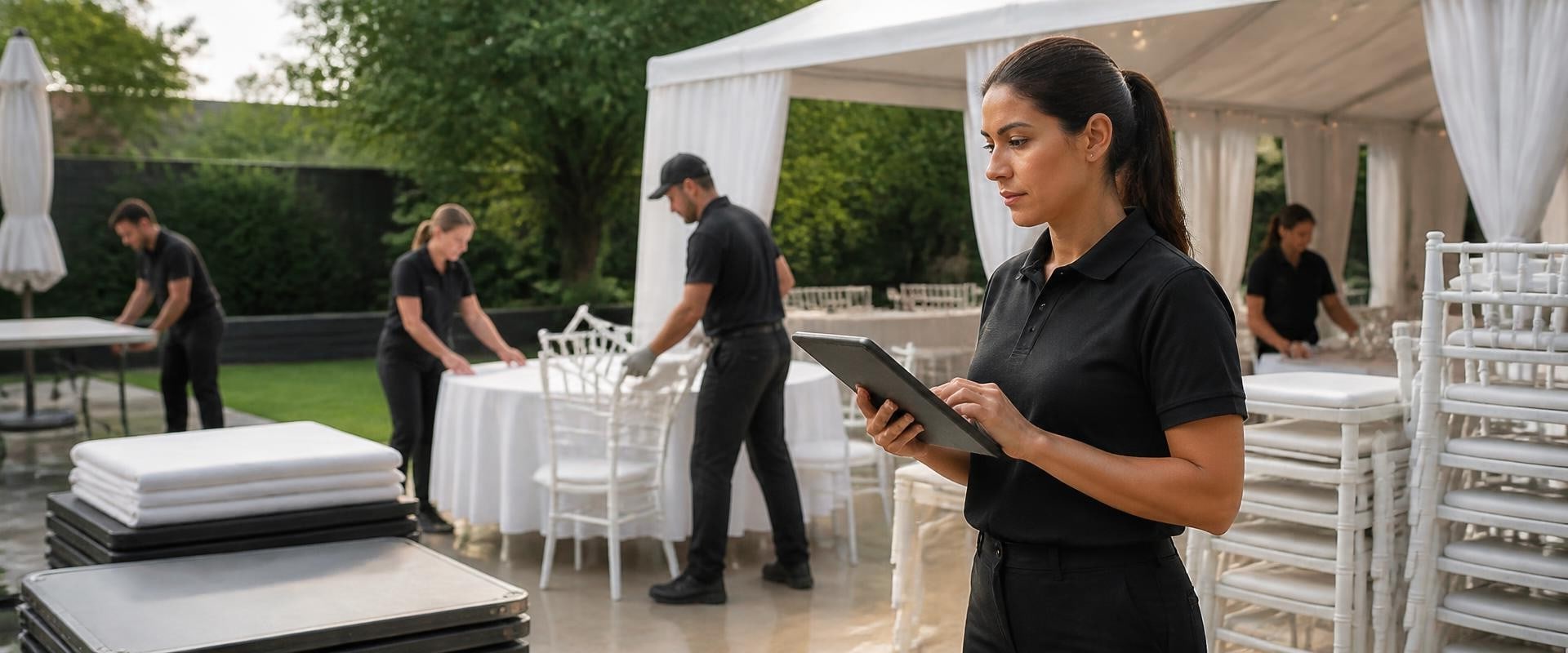
Party rental businesses often experience increased demand during holidays, wedding seasons, community festivals, and major celebrations. During these busy periods, maintaining adequate staffing becomes essential for delivering equipment, managing installations, and providing reliable customer service. However, unexpected employee absences caused by illness, personal emergencies, or scheduling conflicts can disrupt operations and create additional pressure on available workers. Without effective workforce management, businesses may experience delayed deliveries, installation difficulties, and reduced customer satisfaction. Developing practical strategies for managing employee absences helps rental companies maintain operational efficiency while supporting their teams throughout demanding event seasons.
Developing Flexible Employee Scheduling Strategies
Flexible scheduling is one of the most effective ways to address staffing shortages during peak event periods. Rental companies can establish rotating shifts, staggered working hours, and backup schedules to accommodate changing workforce availability. Encouraging employees to communicate planned absences early allows managers to adjust assignments before scheduling conflicts occur. Digital scheduling platforms can also improve visibility into staff availability and upcoming event commitments. By maintaining organized schedules, businesses can distribute workloads fairly while ensuring essential responsibilities remain covered. Flexible arrangements help reduce employee stress and improve overall operational reliability.
Cross-Training Employees for Multiple Responsibilities
Cross-training provides valuable protection against unexpected employee absences by preparing team members to handle different operational tasks. Employees who understand equipment preparation, inventory management, customer communication, and basic installation procedures can assist when colleagues become unavailable. For example, warehouse personnel may receive training in delivery coordination, while experienced installation staff can support equipment inspections. Businesses managing seasonal attractions such as Jump Around Party Rentals christmas inflatables can recognize the importance of having trained personnel available for specialized equipment handling. Proper training ensures replacement staff understand installation requirements, safety procedures, and customer expectations.
Maintaining a Reliable Pool of Temporary Workers
Seasonal employees and temporary workers can provide additional staffing flexibility during periods of increased demand. Party rental companies may establish relationships with staffing agencies or maintain contact with previously trained seasonal employees. Having a dependable pool of qualified workers allows managers to respond quickly when unexpected absences occur. Temporary personnel should receive appropriate orientation and equipment-specific training before accepting assignments. Clearly communicating responsibilities, work schedules, and safety expectations helps prevent confusion. This approach supports consistent service delivery without placing excessive pressure on permanent employees.
Using Technology to Improve Workforce Coordination
Workforce management software can help rental businesses track attendance, coordinate assignments, and monitor upcoming event schedules. Automated notifications allow managers to communicate staffing changes quickly, while centralized calendars provide visibility into delivery commitments and installation requirements. Digital inventory systems can also support efficient equipment allocation when fewer employees are available. Integrating scheduling tools with event management processes reduces administrative work and helps managers make informed staffing decisions. Technology supports smoother coordination between warehouse teams, delivery personnel, and customer service representatives.
Supporting Employee Well-Being and Attendance
Preventing avoidable absences requires attention to employee well-being, particularly during demanding event seasons. Reasonable workloads, adequate rest periods, and supportive workplace policies can help reduce fatigue and burnout. Managers should encourage open communication about scheduling concerns while respecting legitimate leave requirements. Recognizing employee contributions and maintaining fair attendance policies can strengthen morale and retention.
Building Resilient Party Rental Operations
Managing employee absences successfully requires preparation, flexibility, and consistent communication. By combining cross-training, backup staffing, digital scheduling, and employee support, party rental businesses can maintain reliable operations during busy seasons. These strategies help protect service quality, reduce workplace disruptions, and ensure customers receive dependable event support even when staffing challenges arise.